
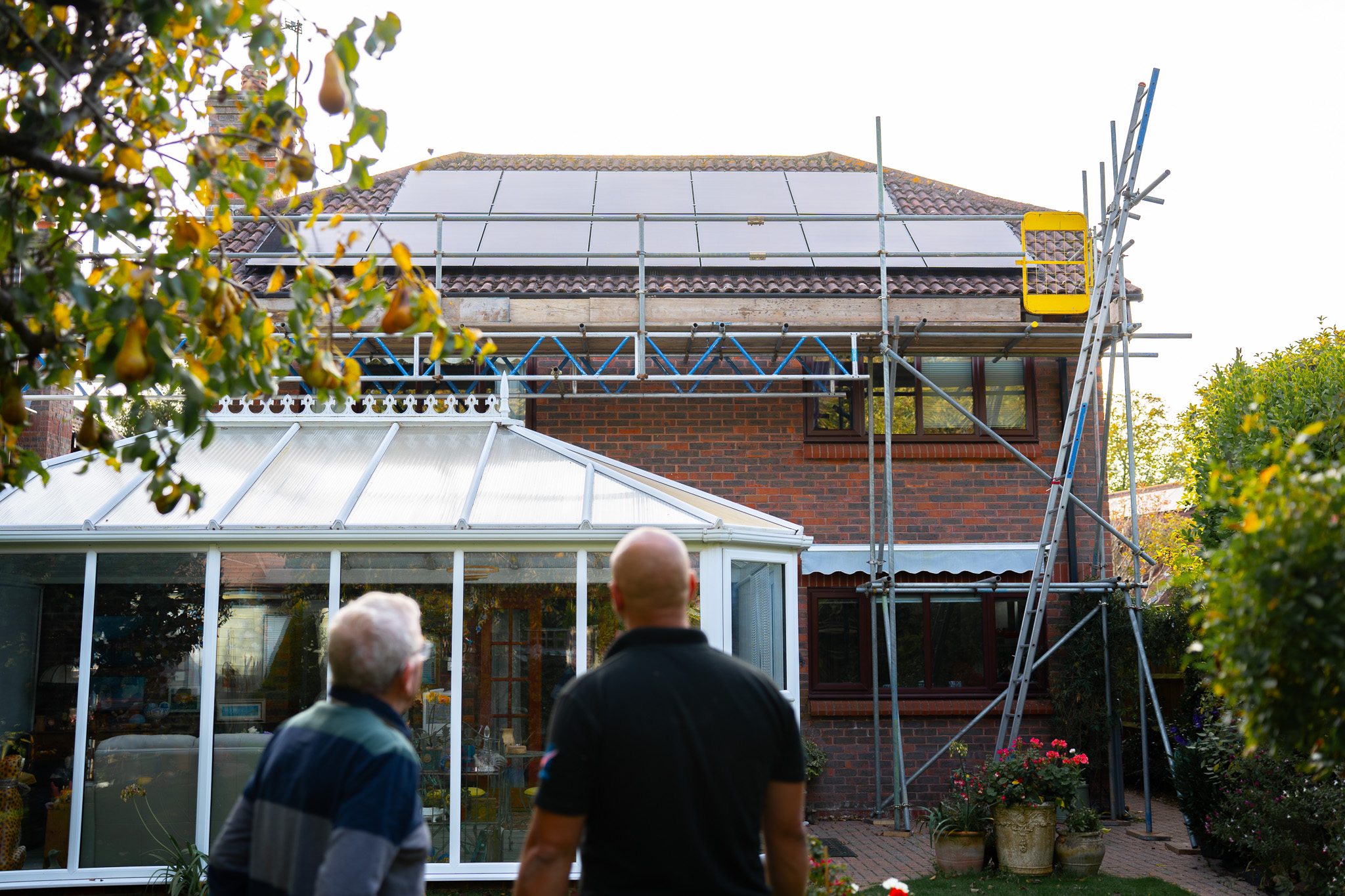
Solar panels have become one of the most talked-about renewable energy options in the UK, but many homeowners still ask one key question: are solar panels worth it?
With rising energy prices and growing awareness of sustainability, interest in solar has never been higher. Still, the decision as to whether to install solar panels depends on several practical factors, such as installation cost, short and long-term savings and how long the system will last.
This article takes a clear, balanced look at the key considerations so you can decide if solar panels are the right fit for your property.
How Much Do Solar Panels Cost?
The cost of solar panel installation varies depending on the size of the system, the type of panels used, and the specifics of your property as larger homes or those with higher energy needs may require a bigger setup.
The final price also depends on whether you choose to add battery storage, which increases the upfront cost but can improve long-term savings.
While the initial investment can feel high, the return is seen over time in reduced energy bills. By generating your own electricity, you rely less on the grid and protect yourself against rising prices.
For many households, the savings begin to add up within the first few years, and over the life of the system the reduction in energy bills can outweigh the original installation cost.
How Long Do Solar Panels Last?
Most modern solar panels are built to last for decades. Manufacturers typically provide warranties of 20 to 25 years, and many panels continue generating power well beyond that period, although efficiency may decline slowly over time.
A well-maintained system can still produce around 80% of its original output after 25 years, making solar a long-term investment.
Inverters and batteries, if installed, usually have shorter lifespans. Inverters often last 10 to 15 years before requiring replacement, while batteries can vary depending on usage and technology. Factoring in these replacement costs is important when working out the overall value of a system.
What Are the Main Benefits of Solar Panels?
For many homeowners, the biggest appeal of solar panels is the potential to lower electricity bills. Generating your own energy reduces reliance on grid electricity, and if combined with battery storage, excess power can be used later in the day rather than exported. This flexibility increases savings and makes the system more efficient.
There are also environmental benefits, as solar power is a renewable energy source that produces no emissions while in use, helping to reduce your household’s carbon footprint.
Beyond cost and sustainability, house buyers are often attracted to homes with lower running costs and modern energy systems already in place.
Do Solar Panels Add Value to a Property?
Research suggests that homes with solar panels often achieve higher resale values compared to similar properties without them. This is because buyers see them as an attractive feature because they reduce energy bills and demonstrate a commitment to sustainable living.
While property value increases vary by location and housing market trends, solar panels are generally considered a positive investment from a real estate perspective.
Are There Any Downsides?
Solar panels are not suitable for every property. Homes with shaded roofs or limited space may not achieve the desired output, which reduces financial benefits. Upfront cost is another hurdle, particularly if battery storage is included. Although financing options and incentives may help, it’s still important to be realistic about payback periods and ongoing costs such as inverter replacement.
It’s also worth remembering that energy savings depend on household usage. Homes that consume most of their energy during daylight hours tend to benefit more, while those with evening-heavy use may only see maximum savings with the addition of a battery system.
Maintenance and Monitoring
Solar panels require little day-to-day maintenance, but occasional checks and cleaning help them perform at their best. Some homeowners opt for monitoring systems that track performance in real time, highlighting any issues quickly. Inverter servicing and battery checks may also be required over the system’s lifetime.
Are Solar Panels Worth It for Businesses?
Businesses can also benefit from solar energy. Installing panels on commercial properties helps reduce operating costs, improve energy security, and demonstrate corporate responsibility.
The scale of savings can be even greater for businesses with high daytime electricity usage, making solar a strong option for cutting long-term expenses. Many companies also value the reputational benefit of moving towards sustainable energy solutions.
Final Thoughts: Are Solar Panels Worth It?
For most households, solar panels represent a sound investment that delivers both financial and environmental returns. While upfront costs can be significant, the long-term savings, extended lifespan of the panels, and potential property value boost make them attractive.
Adding battery storage enhances these benefits by maximising the use of the energy you generate. The key is to assess your property’s suitability, your energy usage patterns, and your long-term goals before making the decision.
If you’d like to learn more about installation options, see our How it Works page or get in touch with the team for tailored advice and a detailed quote.